
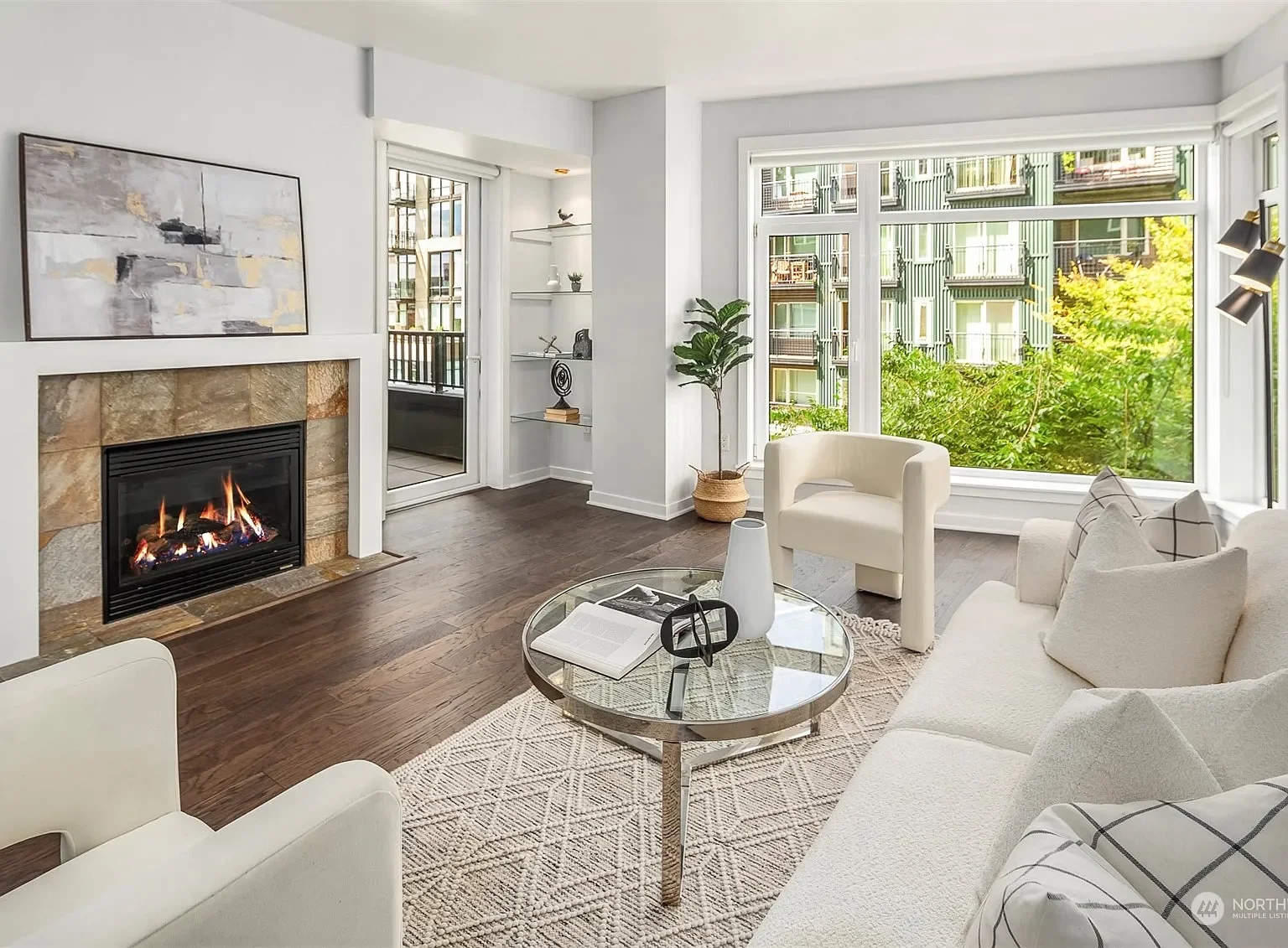
Buying a Home in Seattle, WA
If you're trying to make sense of prices, neighborhoods, and what’s actually worth buying, you’re in the right place.
Where Most Buyers Start
When I first talk to buyers, it’s usually not “let’s go see homes.” It’s more like: “Are condos even worth it right now?”
“Why does everything feel so expensive in some areas and not others?”
“Am I going to have to overpay to get something decent?”
Those are the right questions. Most people don’t come in ready to buy right away. They’re trying to make sense of prices, neighborhoods, and what’s actually worth pursuing. Some homes sell quickly, others sit, and condos that look similar online can be completely different once you understand the building. Once those pieces start to click, the process becomes a lot more focused and a lot less frustrating.

How Seattle Actually Works
Seattle isn’t one market. It’s a collection of smaller ones. What you can buy and how competitive it will be changes depending on where you’re looking and what type of property you’re considering.
Condos tend to dominate in Capitol Hill, Belltown, and South Lake Union. Townhomes are more common in Ballard and Fremont. Single-family homes become more available in areas like Queen Anne and West Seattle, but competition usually increases. Understanding these patterns early helps you spend your time on the right opportunities instead of chasing the wrong ones.
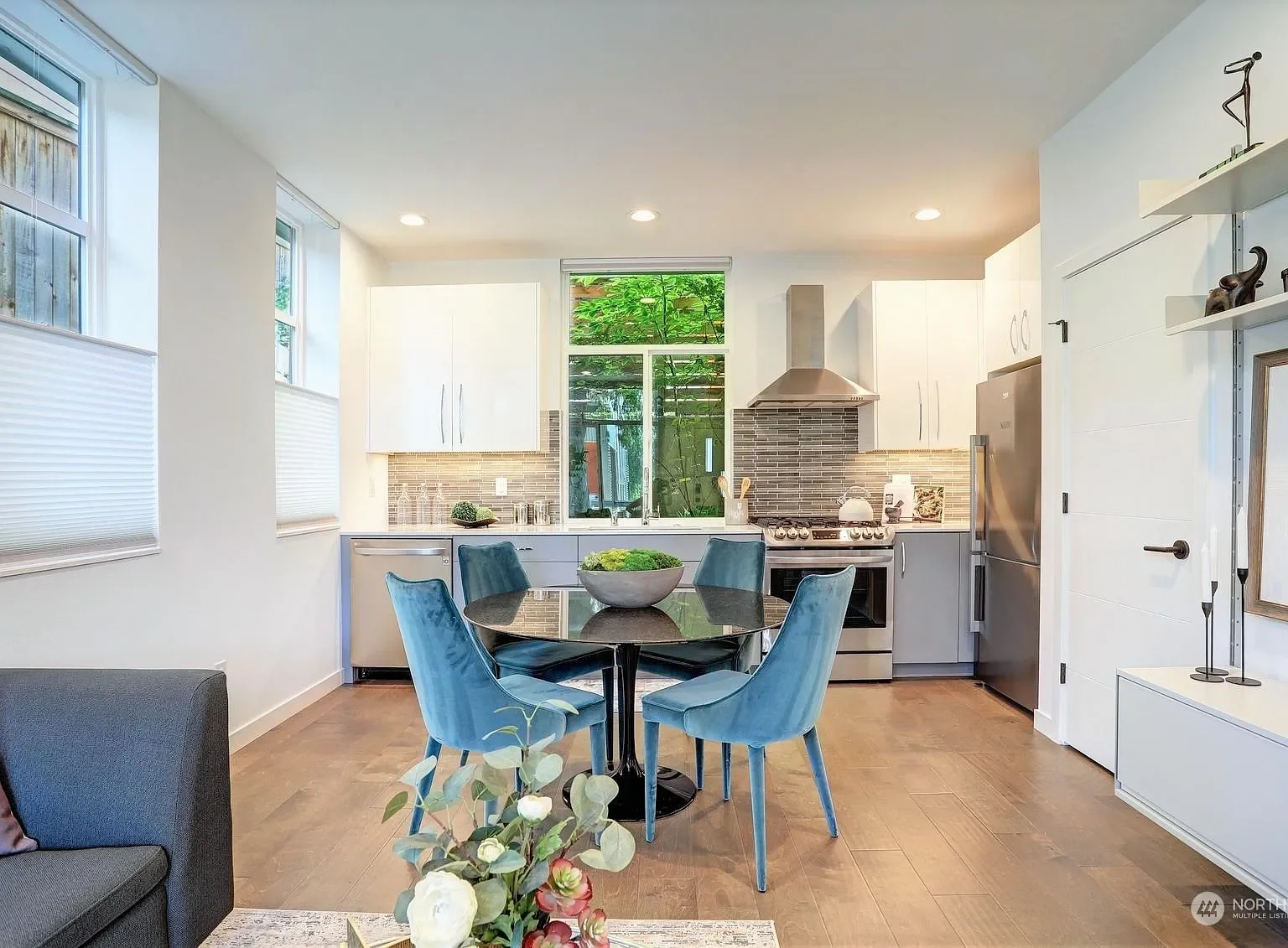
What You’re Actually Choosing Between

Condos
Most people start here, especially in Capitol Hill, Belltown, or South Lake Union. The unit matters, but the building matters more than most buyers realize.

Townhomes
You’ll see these a lot in Ballard, Fremont, and West Seattle. More space, fewer shared decisions, and a different kind of ownership experience.

Single Family Homes
Less common at lower price points and usually more competitive, but you get full control. The tradeoff is price and condition.
How I Help You Make a Smart Purchase
Buying a home in Seattle isn’t just about finding something you like. It’s about understanding what you’re actually buying and how it holds up over time. We start with your budget, timeline, and what matters most to you, then narrow the search so you’re only looking at options that make sense. As we walk through homes, the focus is on evaluation, not just appearance. When it’s time to write an offer, the strategy is based on the property and the situation, not a template. From start to finish, you’ll know what’s happening and why.

What to Pay Attention To
Not every listing is a good opportunity. Some are priced to create competition. Others look better online than they do in person. Some are strong purchases if you know what to look for. Condition, building quality, and long-term resale potential matter more than surface level details. The goal isn’t just to get into a home. It’s to make sure it’s the right one for you.
If You’re Thinking About Buying
If you’ve started looking and things don’t fully make sense yet, that’s normal. Most buyers are piecing things together as they go. If you want to talk through what you’re seeing, what’s realistic in your price range, or how to approach the market, feel free to reach out. It’s a straightforward conversation about what makes sense for you.
Buying a Home in Seattle FAQs
-
It can be, but not every property is a bidding war. Competition depends on the price point, location, and condition of the home. Some properties move quickly, while others sit and create opportunities for buyers who are paying attention.
-
It depends on your budget and how you want to live. Condos offer access and location, townhomes offer more space with fewer shared decisions, and single-family homes offer the most control but usually come at a higher price point.
-
That varies based on loan type, down payment, and the type of property you’re targeting. Most buyers start by understanding what their monthly payment looks like and then work backward from there.
-
The building matters just as much as the unit. Things like HOA reserves, monthly dues, rental restrictions, and overall condition can impact both your experience and long-term value.
-
Once you’re actively looking, it can happen quickly or take time depending on your criteria and the market. From accepted offer to closing, most transactions take around 3–4 weeks.